
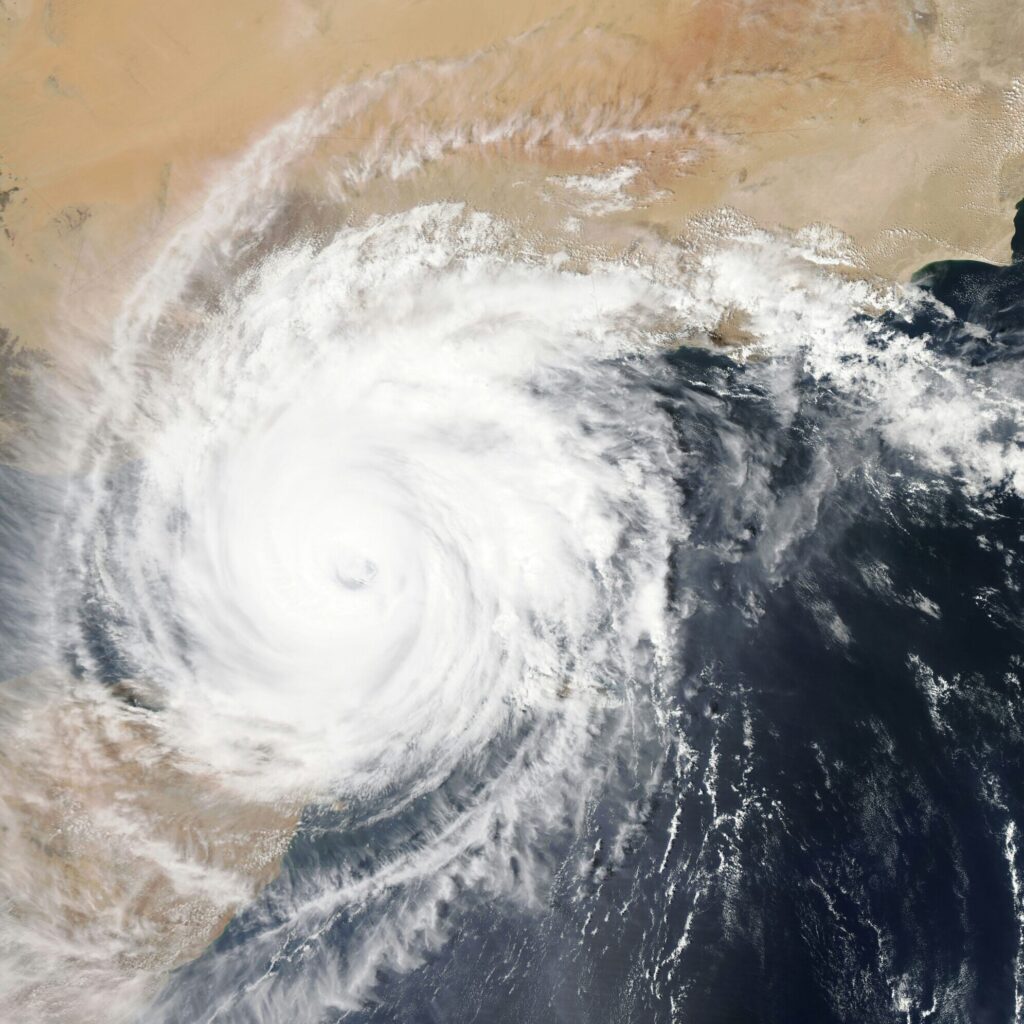
I spent a few weeks ago watching a hurricane track toward the Gulf Coast corner of the world I call home. Isaias came ashore over the weekend as a Category 3, and the cleanup is still happening as I write this. Neighbors were without power. Beach towns quietly resetting their calendars.
And in the middle of it, my inbox did what it always does when a storm forms: it filled with a version of the same question. “We’re supposed to travel in two weeks. Should we be worried?”
So let’s answer it properly – because hurricane season in the Atlantic runs through November 30, and October is exactly when trips meet storms.
First, the Part Nobody Tells You
Storms cancel surprisingly few trips. What they actually do is shuffle them – a day earlier, a day later, a different airport, a different room category. The travelers who come out fine are rarely the ones who guessed right. They are the ones who had someone (and a paper trail) ready to rearrange things the moment the forecast firmed up.
That distinction is the whole job.
What Happens Before You Ever Hear About It
When a system is still a swirl of clouds with a name that hasn’t been assigned yet, I am already doing three things:
- Checking which of my traveling clients sit in or near the forecast cone – cruises first, because ships reroute earliest and most dramatically
- Reading the cancellation policies on every reservation in the file, so I know which pieces flex for free and which have a deadline creeping closer
- Confirming the insurance conversation happened – because the single biggest mistake in storm-season travel is buying a policy after the storm is named
That last one matters more than people realize. Most trip insurance has to be purchased before a storm becomes a named, foreseeable event to cover it. And the best protections – Cancel For Any Reason coverage – usually carry a purchase window of roughly two weeks from your first trip payment. This is why “I’ll think about insurance later” is a decision, not a delay.
When the Storm Actually Gets a Name
Once a watch or warning is issued, a very specific sequence starts:
- The suppliers move first. Cruise lines announce port changes or sail-date adjustments. Hotels open flexible cancellation windows. Airlines issue travel waivers for affected airports – and those waivers only apply if your ticket was booked in a way that lets you use them.
- I match your booking to the waiver. This is the step DIY bookers miss. A waiver does you no good if your flight was booked in a way the airline won’t re-accommodate, or if your hotel was prepaid through a third party with its own stricter rules.
- You get a plan, not a headline. By the time the storm is on the news, my clients have a text that says: here is what changed, here is what I did, here is what happens next. No refreshing radar at midnight.
If You Booked It Yourself
There is no judgment here – but if a storm is tracking toward a trip you booked solo, do these things now, in this order: check your airline’s travel alert page, confirm your hotel’s cancellation terms in writing, price out a travel policy today (named storms are already excluded, so it’s probably too late for insurance, but you may have some protection on the credit card you used to book your trip, so check that), and screenshot everything. Then accept that you are your own 24-hour hotline.
The Quiet Advantage
This is also why I book through proper supplier relationships. As a travel professional, when a storm reroutes a sailing or a resort has to move guests, I am not navigating a chatbot. I am on the phone with people whose job is to fix exactly this – and who would rather fix it at 6 PM than have me escalate at 6 AM.
If you travel to relax: this is the invisible layer of your trip. You should never have to learn hurricane cancellation policy in an airport line.
If you run a business: a storm-stranded employee or a canceled client event costs real money. Hand the contingency planning to someone who does it all season, every season.
Storms happen. Panic doesn’t have to. If you have a trip on the calendar between now and November 30 – or you are booking one and want it built with an exit strategy – that call takes 30 minutes and costs you nothing.