
What timing really looks like for a smooth, well-paced experience
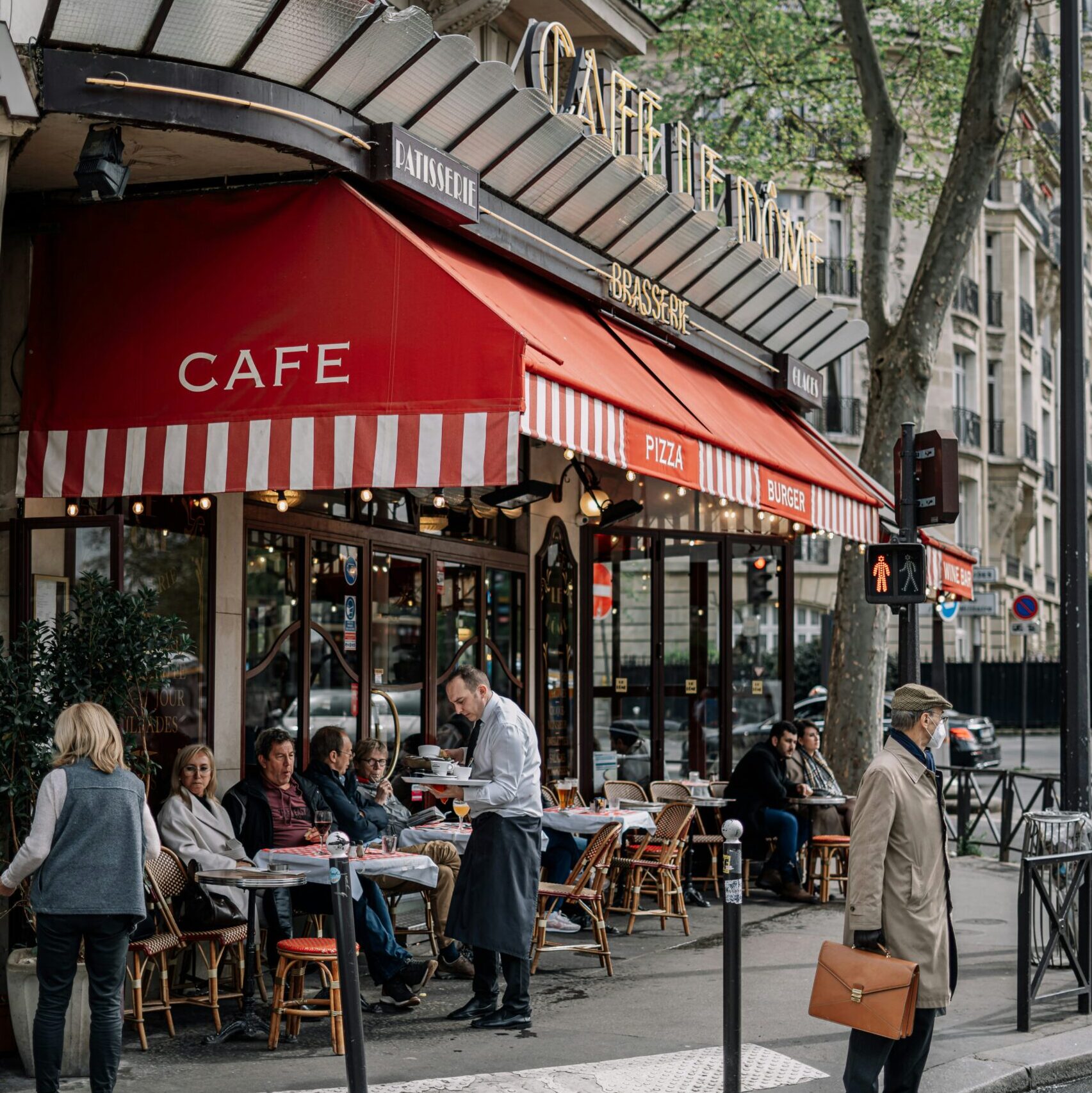
Planning a trip to Europe is exciting, but one of the first questions that comes up is also one of the most important: How far in advance should you actually start planning?
The short answer is: earlier than most people think. But the real answer depends on the kind of trip you want to have.
Why Timing Matters More Than You Expect
Europe isn’t a last-minute destination in the way some others can be.
The well-located hotels, the best room categories, and the most thoughtfully designed experiences tend to book out months in advance – especially for spring, summer, and early fall. When you plan early, you’re giving yourself more options. And options are what allow a trip to feel tailored instead of pieced together.
For a Well-Planned, Multi-City Europe Trip
If you’re visiting multiple destinations (like Paris, Florence, and the Swiss Alps) you’ll want to start planning 6 to 9 months in advance.
This allows time to:
- Choose the right flow between cities
- Secure preferred hotels in each location
- Build a realistic, well-paced itinerary
- Coordinate trains or flights without stress
Without that lead time, it becomes much harder to create a trip that feels cohesive.
For River Cruises and Luxury Rail Journeys
These require even more foresight.
The most desirable sailings and cabin categories often book 12 months in advance, especially along the Danube or Rhine. Luxury rail journeys, particularly in Switzerland, can also fill quickly during peak seasons.
Planning early here ensures:
- Better cabin or seat selection
- Preferred travel dates
- Access to the most in-demand itineraries
For Peak Season Travel (May–September)
If you’re traveling during Europe’s busiest months, timing becomes even more important. Ideally, you’ll want to begin planning 9+ months in advance to secure:
- Top hotels in central locations
- Popular experiences and guides
- The best pacing across your itinerary
Waiting too long can mean compromising on location, room type, or overall flow.
For Shoulder Season Travel (Spring and Fall)
April, early May, late September, and October offer a beautiful balance of good weather and fewer crowds.
Planning 6 to 8 months ahead is typically enough to:
- Secure great accommodations
- Enjoy more flexibility in your itinerary
- Still access high-quality experiences
What Happens If You Wait Too Long
Last-minute Europe trips aren’t impossible—but they often come with trade-offs.
You may find:
- Limited hotel availability in your preferred areas
- Higher pricing with fewer options
- Itineraries that feel rushed or disconnected
- Fewer choices for guided experiences or tours
Instead of designing the trip around your preferences, you’re working around what’s left.
Why Planning Early Makes the Trip Feel Easier
When you start early, the process feels calm instead of rushed.
There’s time to:
- Make thoughtful decisions
- Adjust the itinerary as needed
- Secure the details that matter most
- Build a trip that actually reflects how you want to travel
- More flexibility to pay over time
It also means you can look forward to the experience with confidence, knowing everything is already in place.
So, When Should You Start Planning?
If you’re thinking about Europe, the best time to start is when the idea first feels real. Even if your trip is a year away, beginning the conversation early allows for a much more intentional outcome.
If you’re not sure where to start (or want to make sure your trip is paced well and thoughtfully designed), this is exactly what I help with.
From timing and routing to hotels and experiences, every piece is considered so the trip feels seamless from beginning to end.
Book a call with me, and we’ll start planning your Europe trip the right way, from the very beginning.